Evidence-based clinical guides on GLP-1/GIP half-life pharmacokinetics, muscle protein preservation, injection site rotation, and endocrinology follow-up.
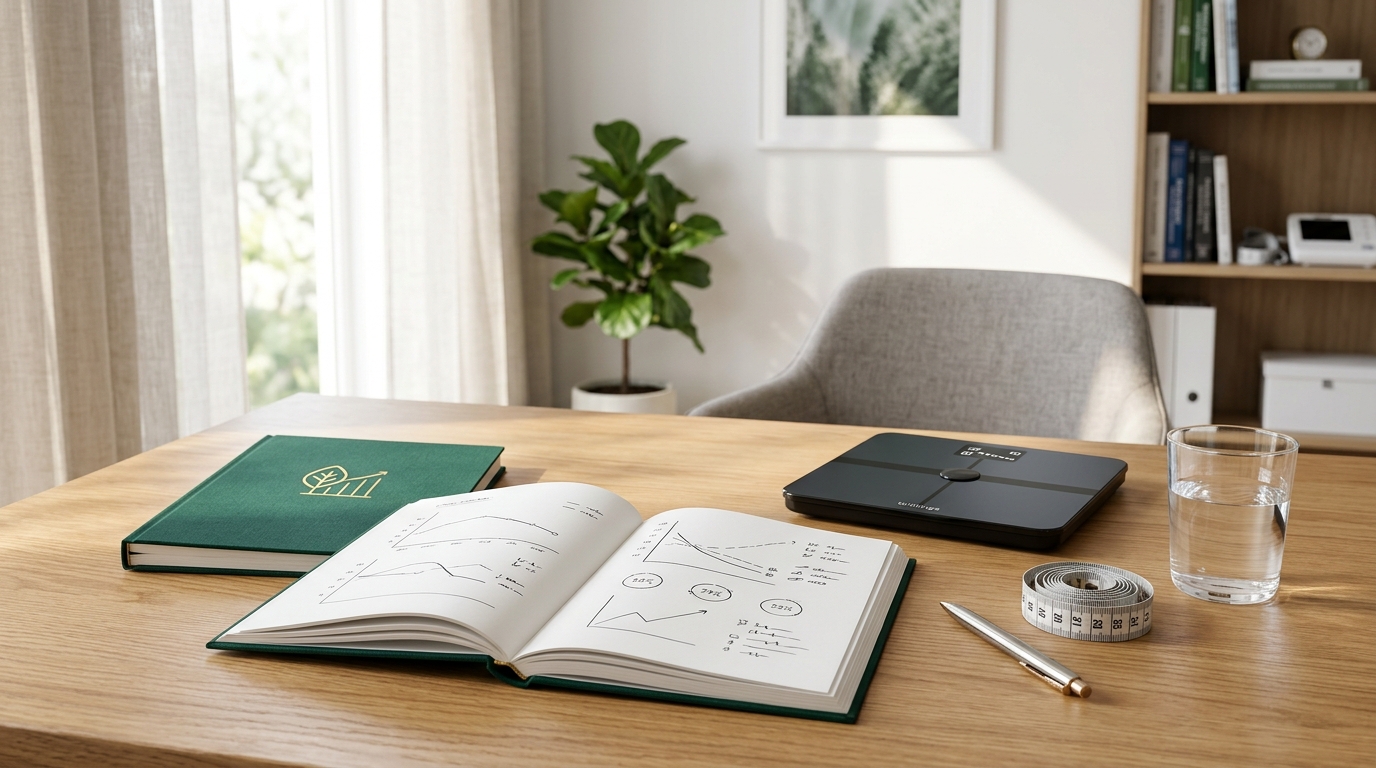
Learn the endocrinology of adaptive thermogenesis, resting metabolic rate shifts on semaglutide or tirzepatide, and 4 physician-backed adjustments to restart fat loss.

Understand why nausea, early satiety, and delayed gastric emptying happen when starting GLP-1/GIP therapy—and the daily hydration and protein habits that prevent discomfort.
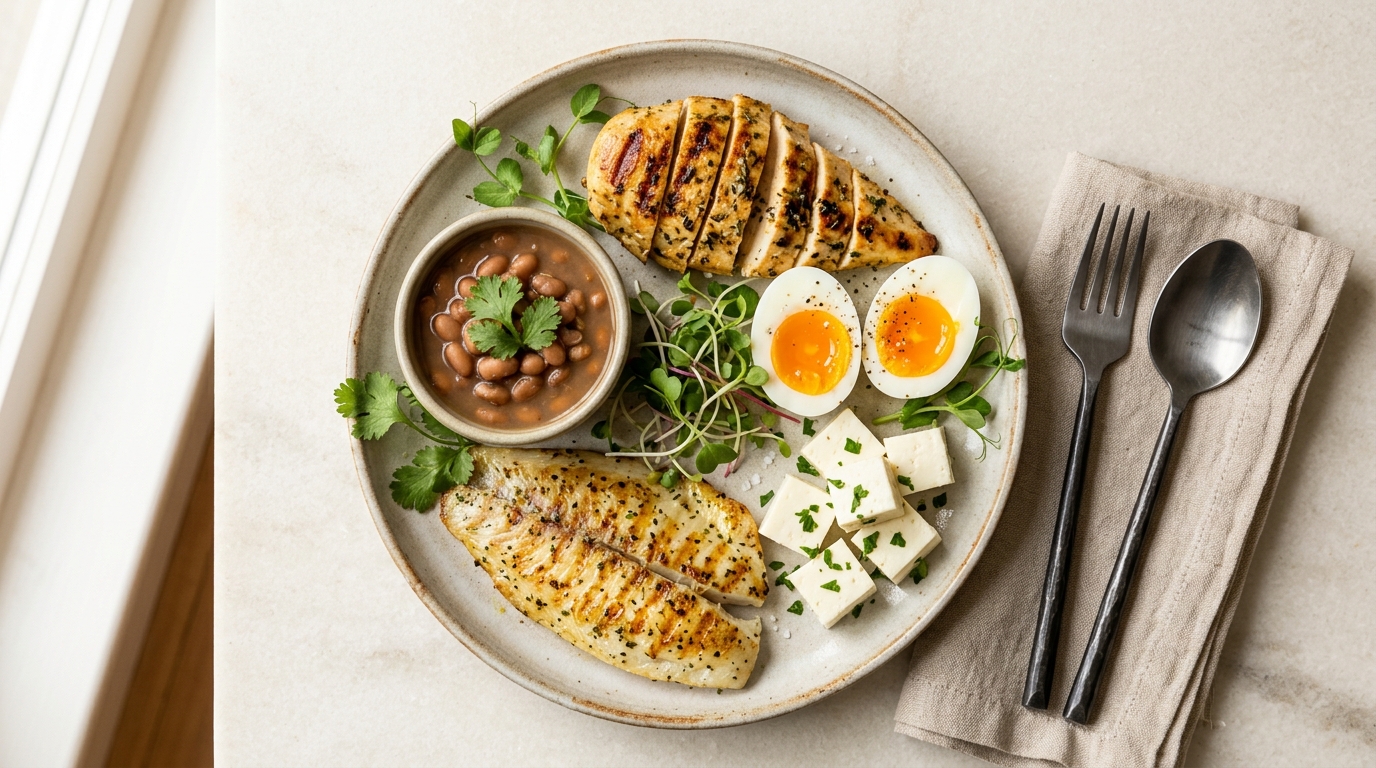
Up to 30% of rapid weight loss can come from lean muscle if protein intake drops too low. Learn how to hit 100g–130g of protein daily with small, high-density portions.
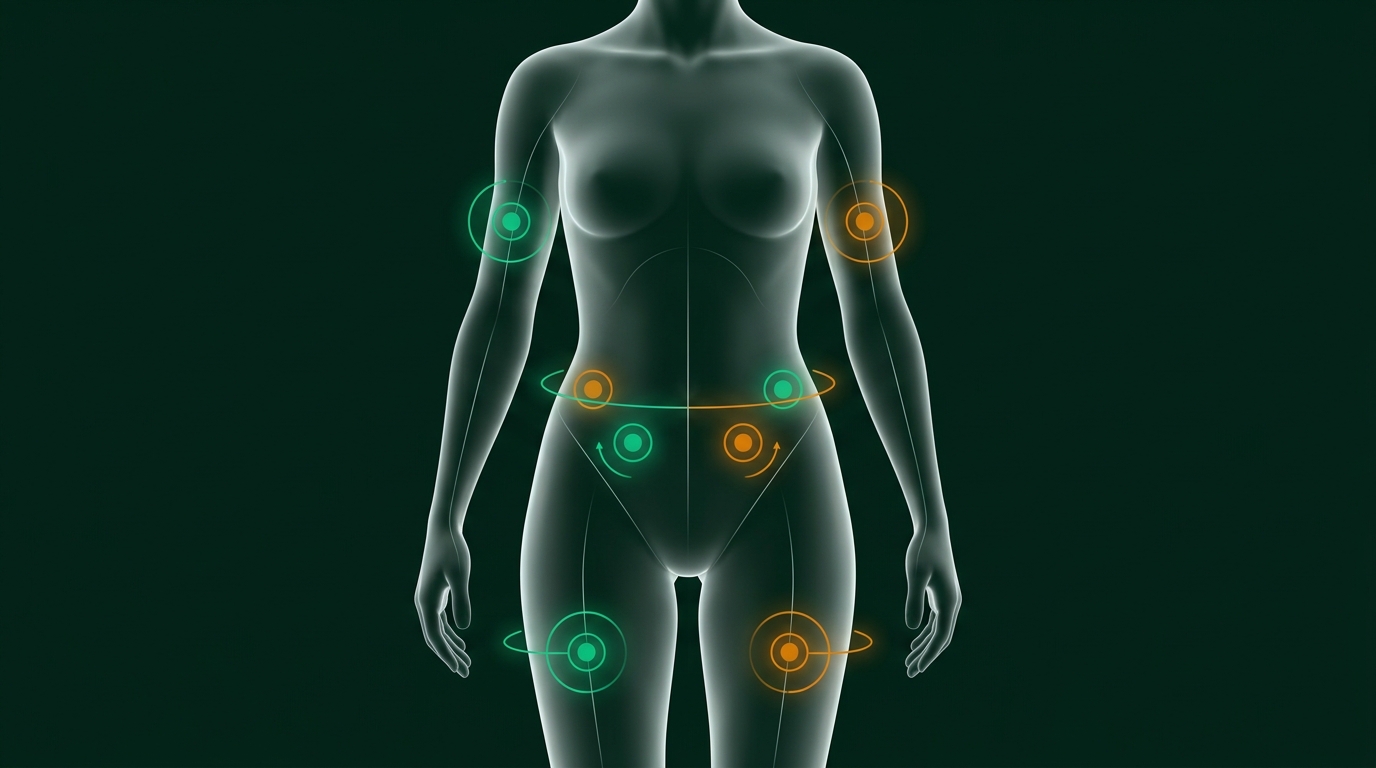
Injecting your pen in the exact same abdominal spot every week can cause subcutaneous nodules and erratic absorption. Follow this 6-week clockwise rotation protocol.
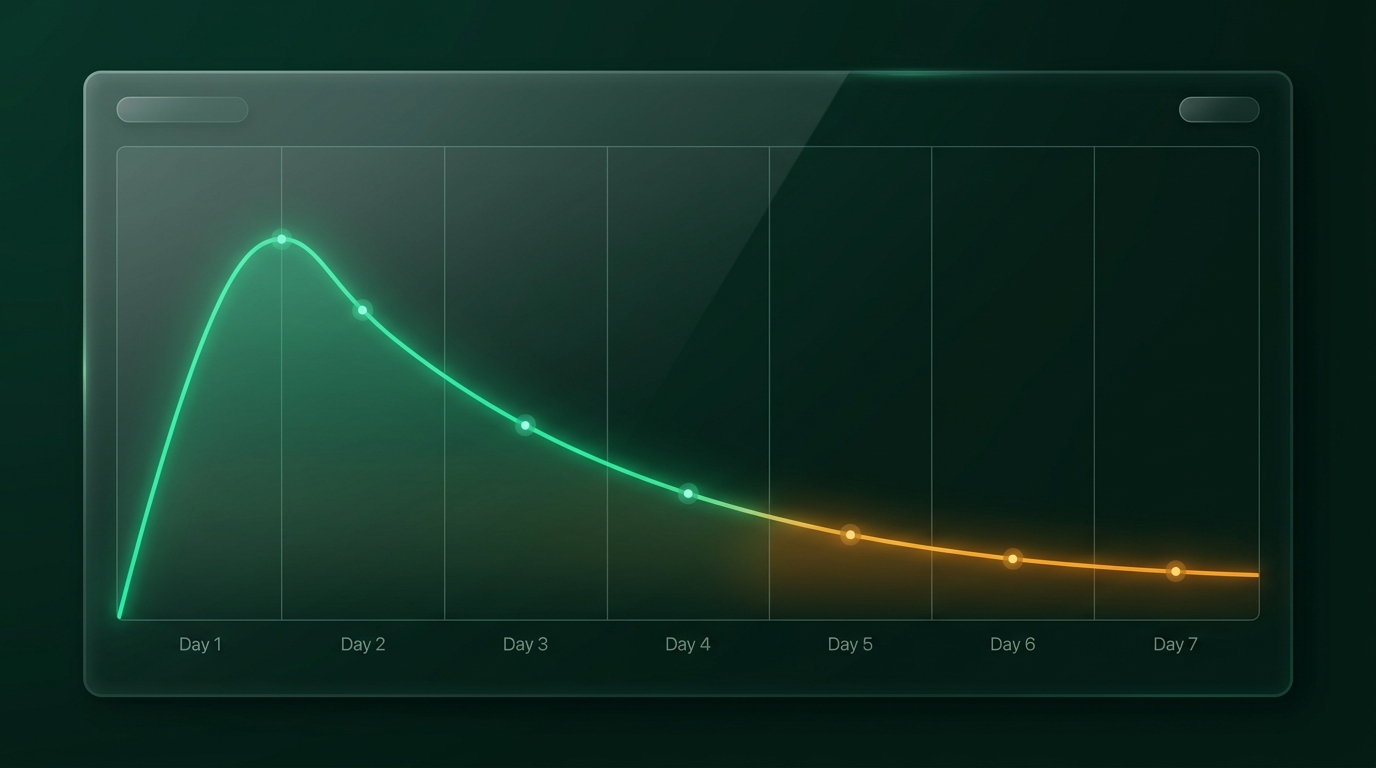
Explore the pharmacokinetic math behind tirzepatide's 5-day half-life and semaglutide's 7-day half-life—and how to use the Day 5–7 valley window strategically.
Understand prescription validity, 90-day refill windows, and digital pharmacy guidelines under the FDA (21 CFR) and EMA for Ozempic, Wegovy, and Mounjaro.

Learn which 4 objective metrics—weight velocity, gastrointestinal tolerability, injection rotation, and protein intake—your doctor needs to evaluate dose titration safely.
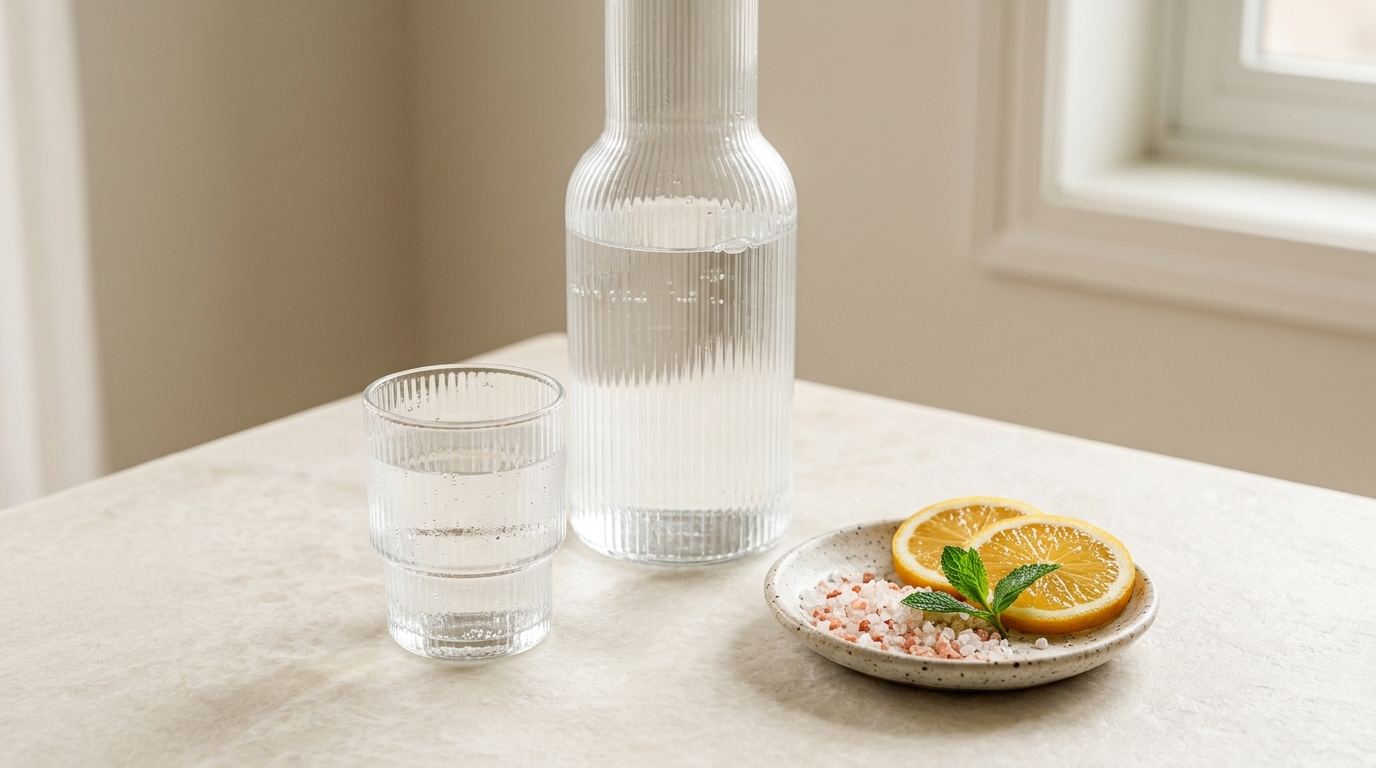
GLP-1 suppresses not only hunger but also hypothalamic thirst cues. Discover why the 35 ml/kg (~0.5 fl oz/lb) protocol prevents headaches and digestive discomfort.
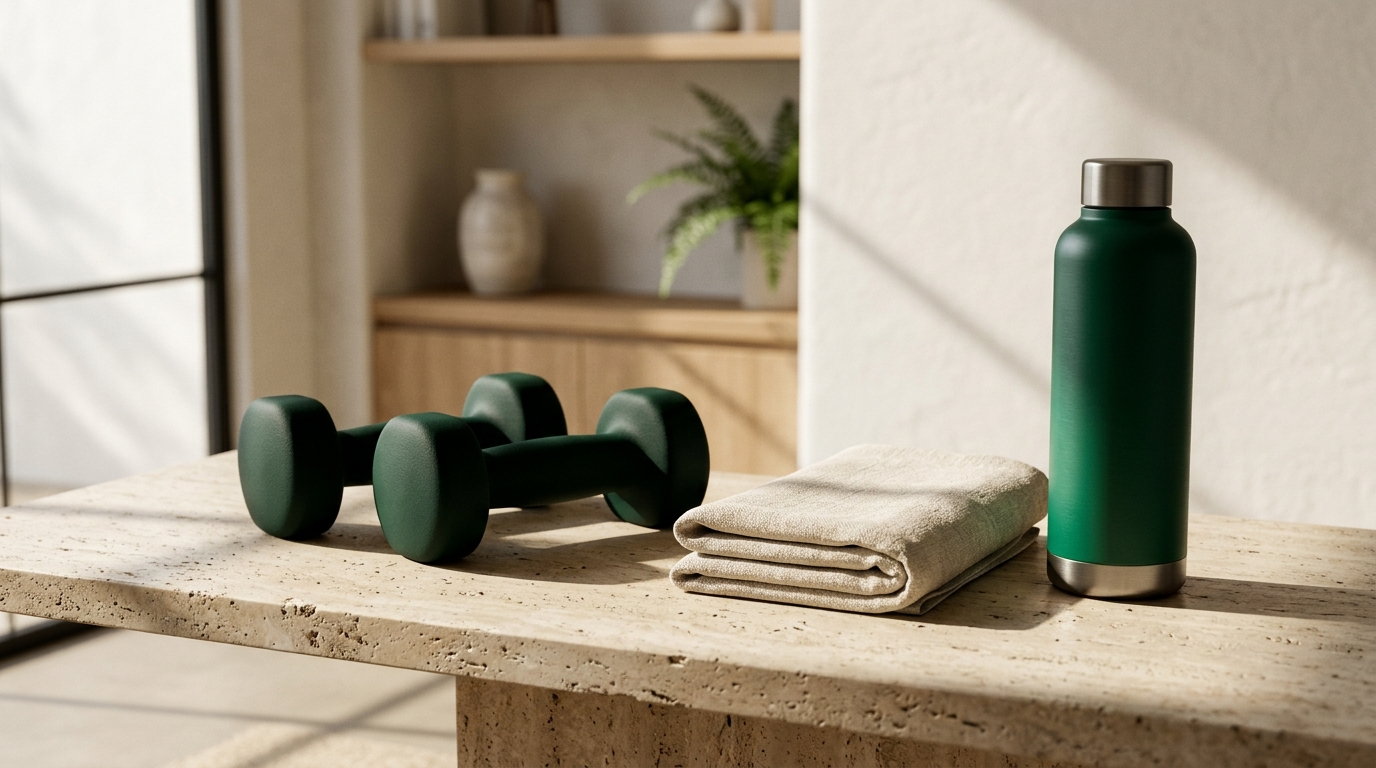
Combining 1.4g/kg protein with progressive mechanical overload is the clinical gold standard to ensure weight loss targets visceral adiposity rather than skeletal muscle.